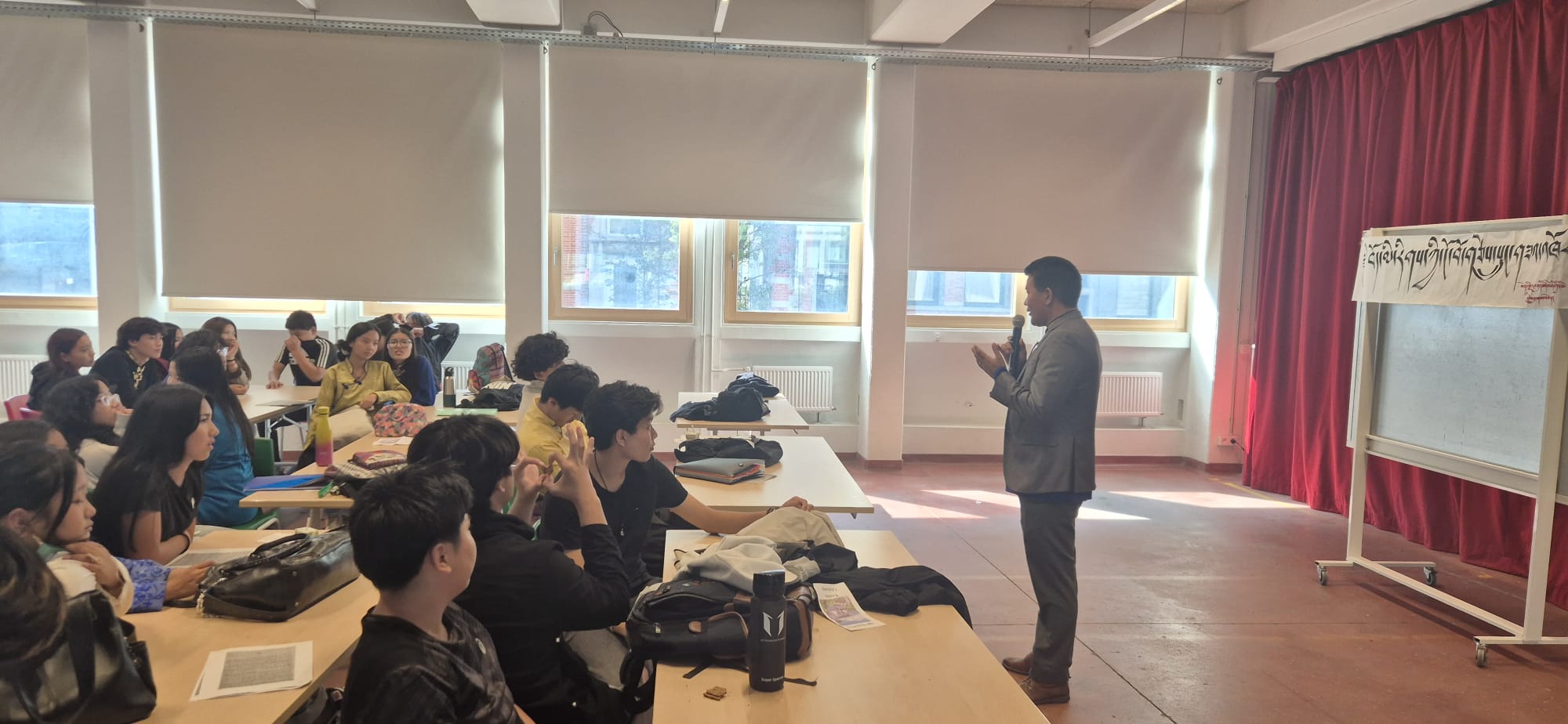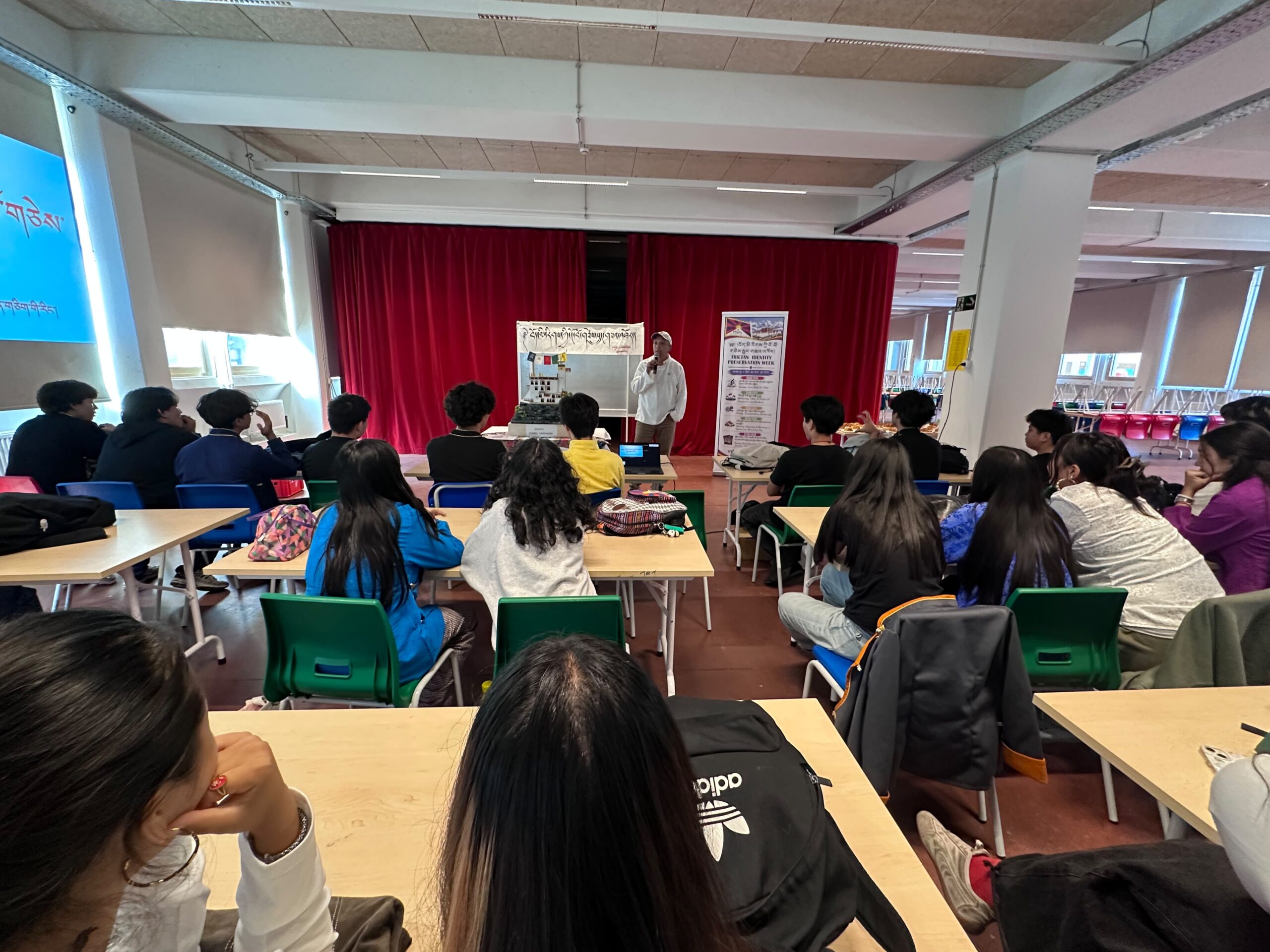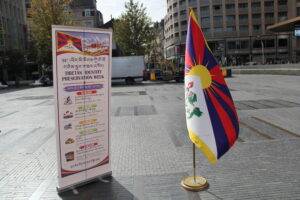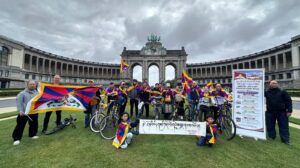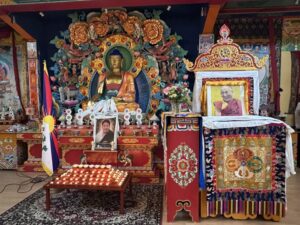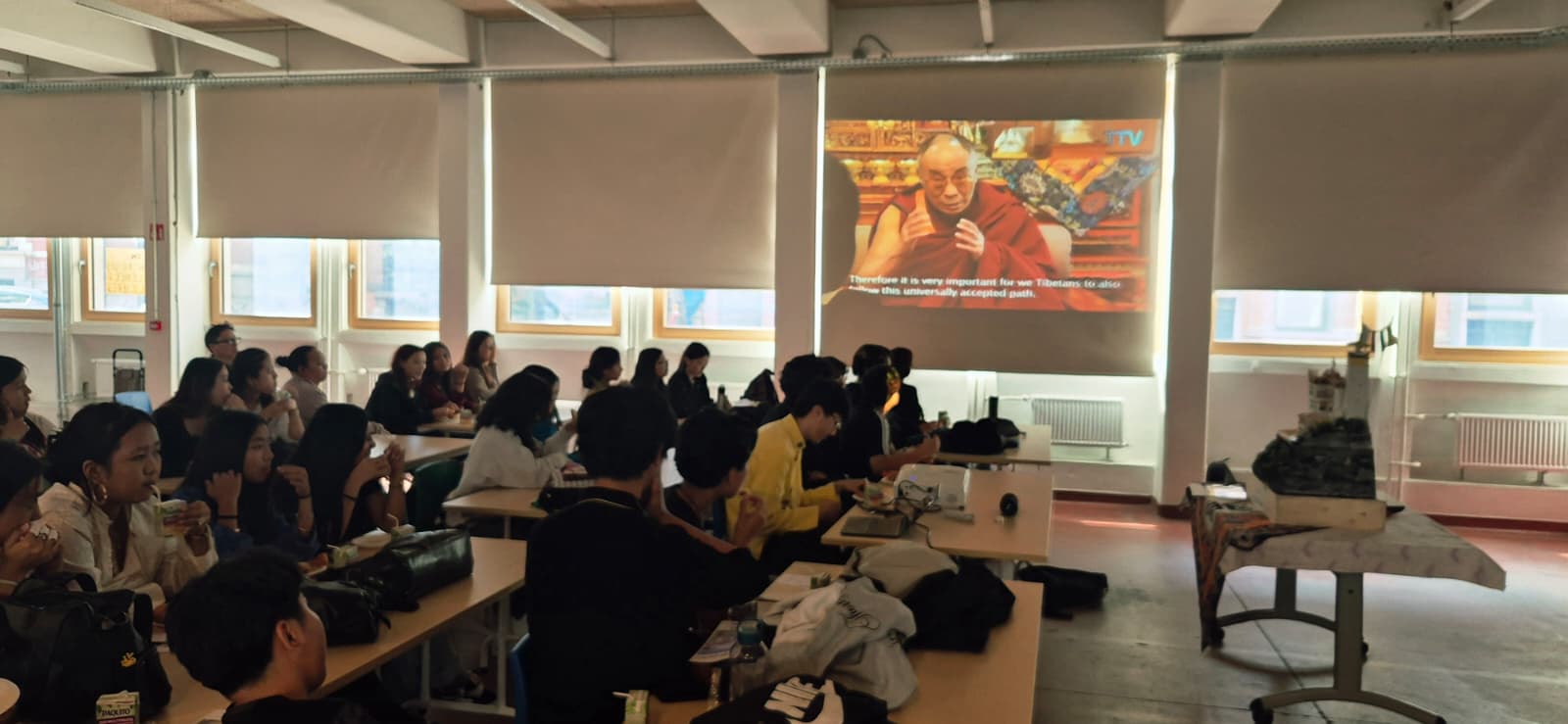
Brussels, 29 September: Tibetan students in Brussels on Sunday took part in an interactive educational program organised by the Office of Tibet, as part of the observance of Tibetan National Identity Preservation Week.
The programme, held over the weekend for students from Classes 6 to 8 of the Tibetan weekend school, aimed to deepen the students’ understanding of Tibet’s rich history, cultural identity, and the evolution of the Tibetan democratic system in exile.
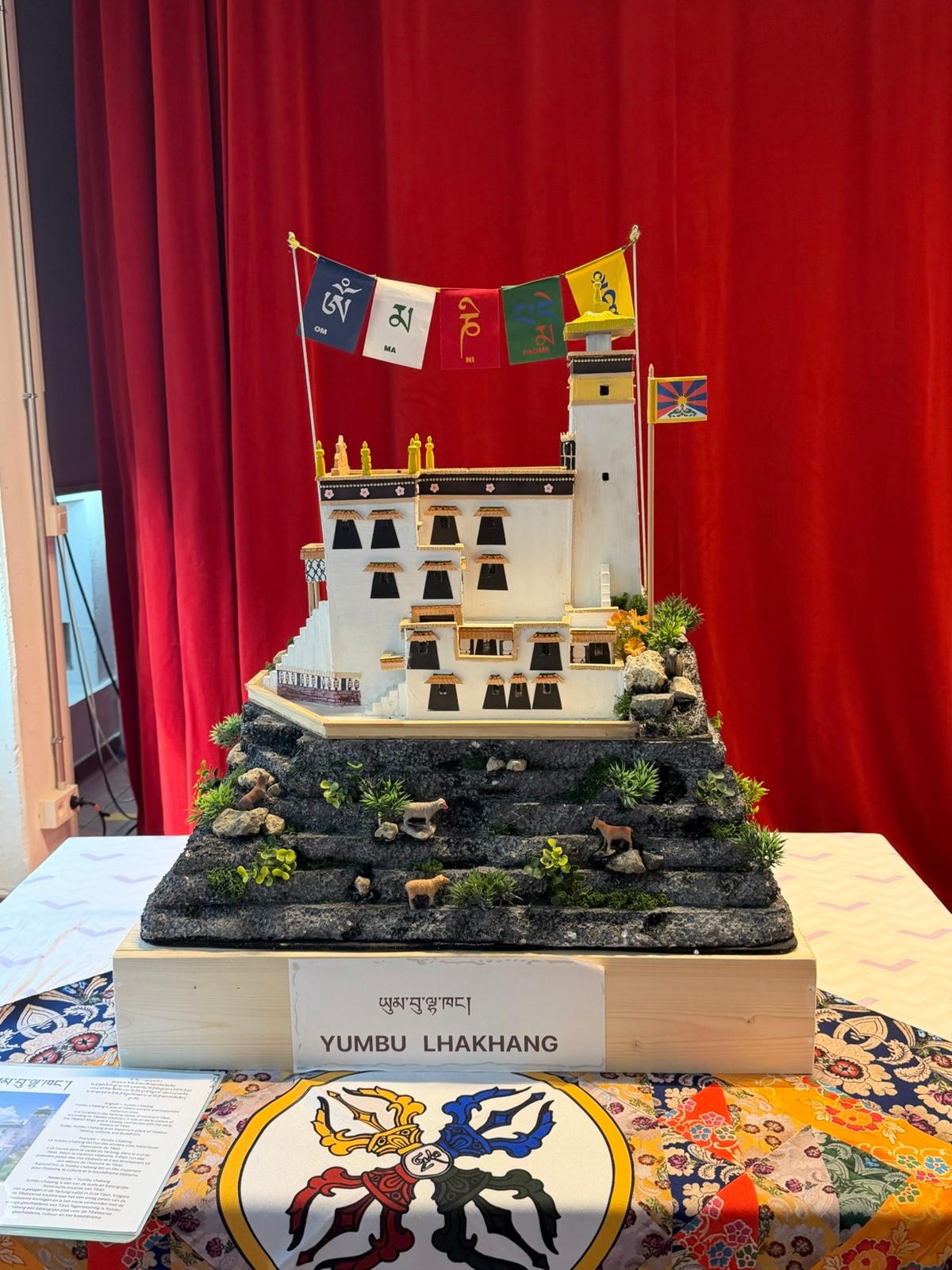
The programmme began with an introduction of Yumbhu Lhakhang by Tsewang Namgyal, who had specially created a miniature model of the same and traditionally regarded as the first castle in Tibet. The structure is associated with Nyatri Tsenpo, the first Tibetan king and the founder of the Yarlung dynasty. Through its model and his presentation, the students were introduced to an important chapter in Tibet’s early history and heritage.
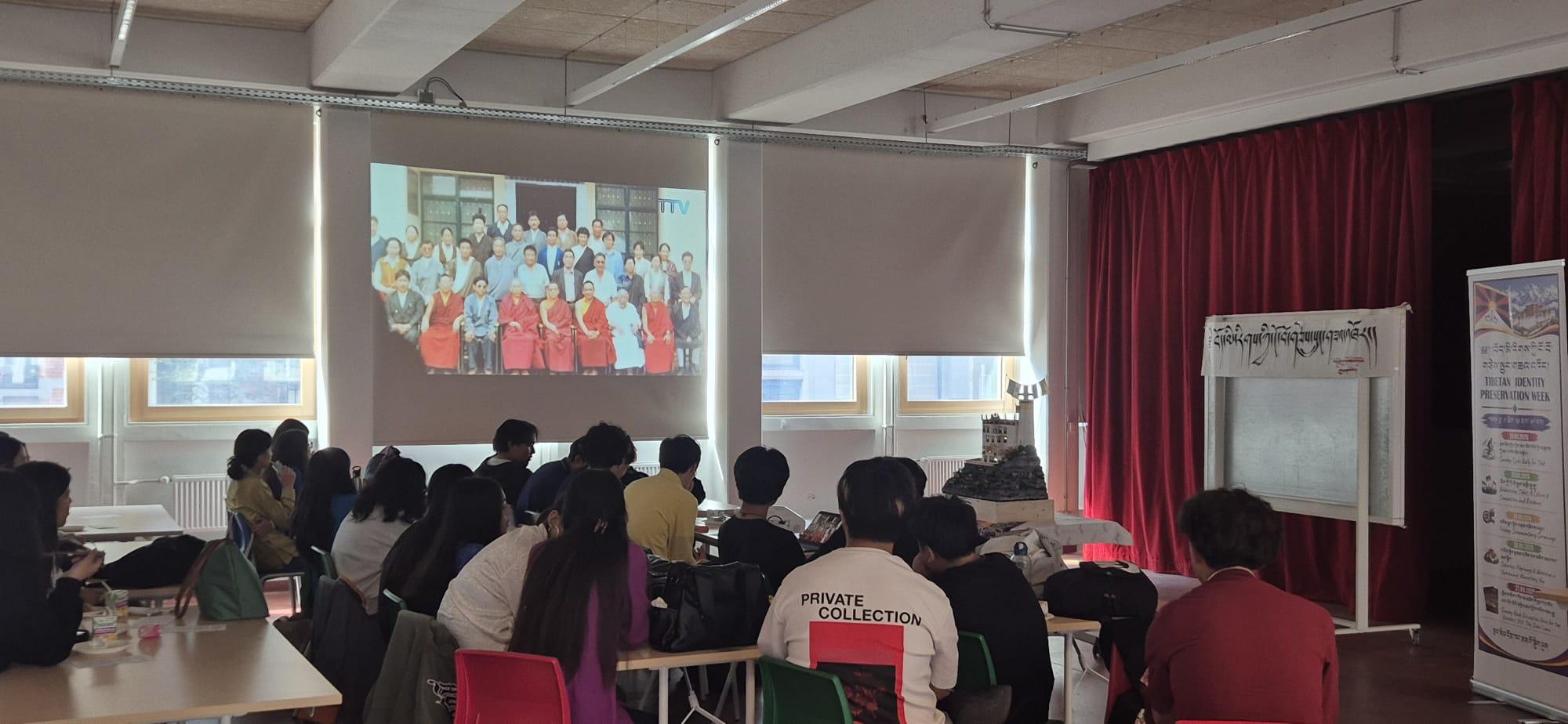
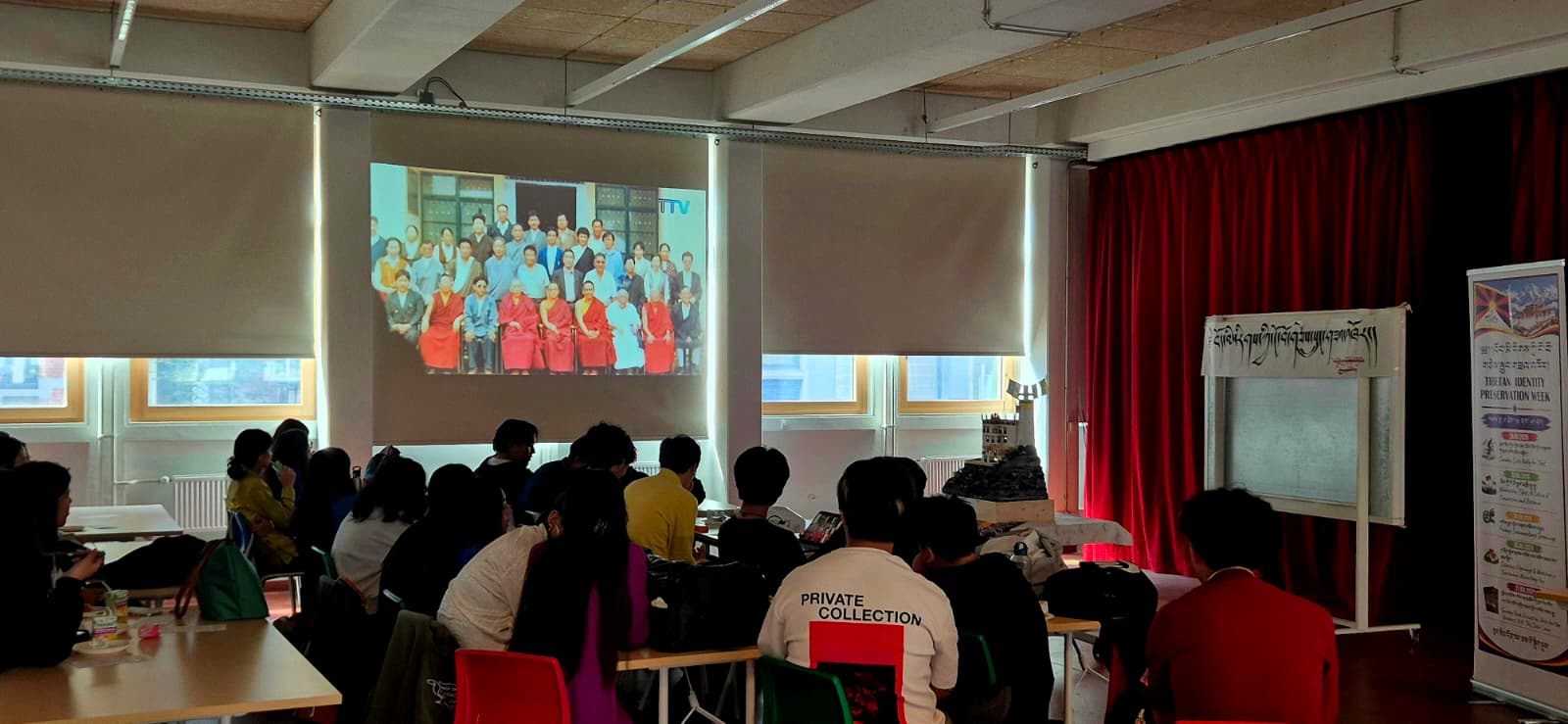
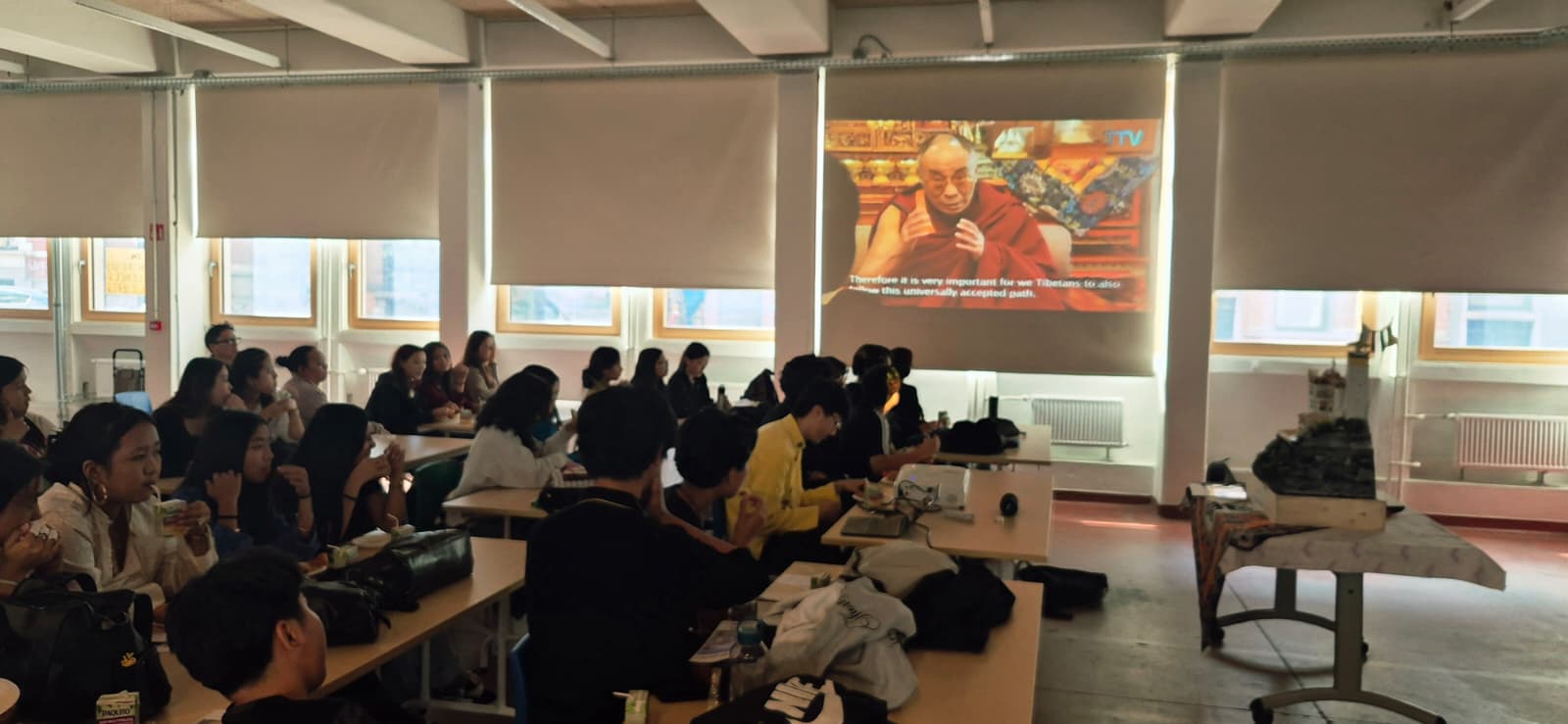
Following the historical introduction, the students watched a documentary titled “Democracy: The Gift of His Holiness the 14th Dalai Lama to Tibet.” The film provided the students with an overview of the development of the Tibetan democratic system in exile and highlighted the transition towards an elected and representative political system. The students were also encouraged to understand that, as they grow older, they too can take part in and contribute to the democratic process of the Tibetan community.
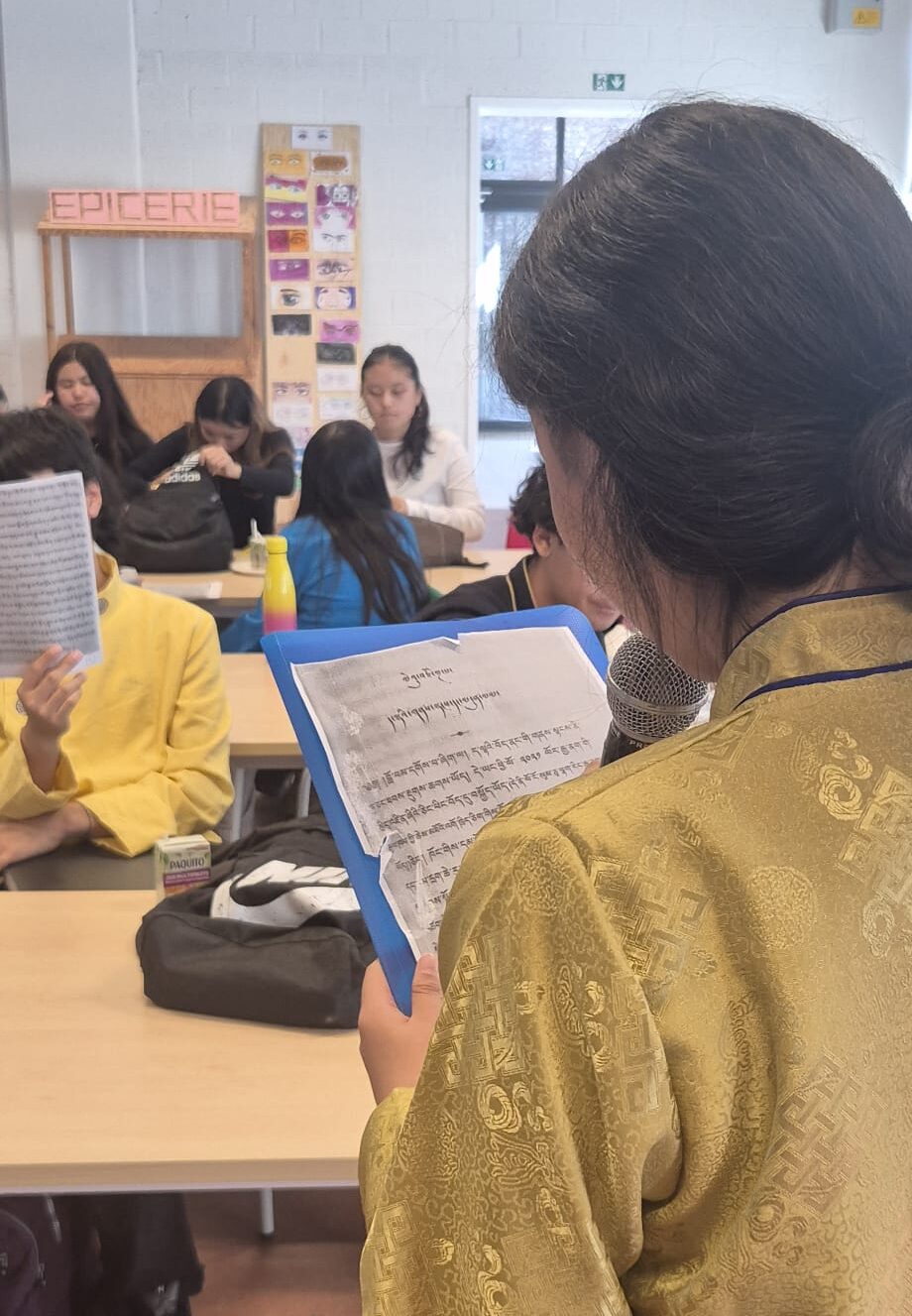
The programme concluded with an interactive discussion on “Voice for the Voiceless,” the Tibetan-language edition of the latest book by His Holiness the 14th Dalai Lama. Students shared their understanding and reflections from what they had read, making the session an opportunity for knowledge-sharing and open discussion among the participants.
The interactive program was organised with the objective of connecting younger Tibetans with their history, culture, identity, and democratic values. By combining historical learning, documentary screening, reading, and discussion, the program provided students with an engaging opportunity to reflect on their responsibilities in preserving and carrying forward the Tibetan identity and heritage.